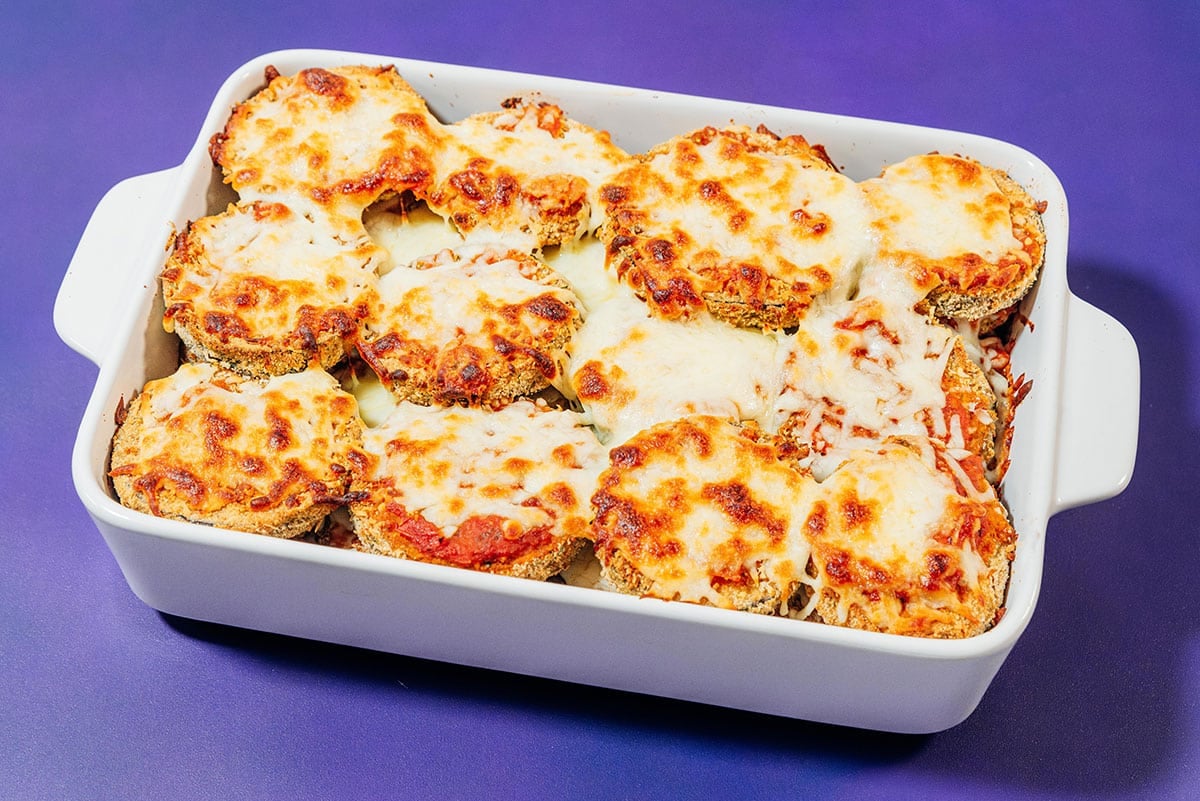
Make Crowd-Pleasing Eggplant Parm with Authentic Ingredients
There are few dishes that evoke the comforting warmth of Italian-American cuisine quite like Eggplant Parmesan. This timeless classic transforms humble eggplant (or aubergine, as it's known across the pond) into a rich, flavorful casserole that delights with every bite. If you've ever wondered how to make eggplant parmesan that truly stands out – with crispy edges, a tender interior, bubbling cheese, and a robust marinara – you're in the right place. Far from being an exotic ingredient, eggplant is a versatile member of the nightshade family, much like its familiar cousins, tomatoes and potatoes. Once you learn the foundational techniques, this impressive dish will become a treasured part of your culinary repertoire, promising to gather rave reviews from everyone at your table.
The Secret to Crowd-Pleasing Eggplant Parm Starts with the Right Ingredients
The foundation of an unforgettable Eggplant Parmesan lies squarely in the quality and selection of its components. Investing a little extra thought into your shopping list will pay dividends in flavor and texture.
- Eggplant: The Star of the Show
Seek out eggplants that are firm to the touch, with taut, glossy skin free of blemishes or soft spots. Medium-sized eggplants (roughly 1-1.5 pounds each) are often preferred as they tend to have fewer seeds, which can sometimes contribute a bitter note. While larger eggplants work, their flesh can be denser and require more thorough preparation.
- Breadcrumbs: The Crispy Coating
While store-bought breadcrumbs are convenient, making your own from quality day-old bread is a game-changer. Crusty Italian bread, a rustic country loaf, or even sourdough provides a superior texture and depth of flavor that generic breadcrumbs simply can't match. Pulse stale bread in a food processor until you achieve coarse, irregular crumbs. Season them generously with Italian herbs, garlic powder, onion powder, salt, and pepper for an aromatic boost.
- Parmigiano Reggiano: The Salty, Umami Kick
This is not the place to skimp! True Parmigiano Reggiano, aged for at least 18-24 months, offers an unparalleled nutty, salty, and deeply savory profile. Its granular texture and intense flavor are critical to the authentic taste of the dish. Always buy a wedge and grate it yourself just before use; pre-grated versions often contain anti-caking agents that compromise flavor and melt-ability.
- Mozzarella: The Melty, Creamy Layer
For that signature gooey stretch, fresh mozzarella is essential. Look for soft balls packed in water, which will melt beautifully and add a creamy contrast to the crisp eggplant. Avoid pre-shredded mozzarella, which also contains starches that can make it melt unevenly and reduce its creamy texture. If fresh mozzarella feels too wet, gently pat it dry or even slice and drain it for 15-20 minutes before layering.
- Marinara Sauce: The Hearty Foundation
A rich, flavorful marinara sauce ties all the elements together. Whether you opt for a homemade sauce, simmered with San Marzano tomatoes, garlic, and fresh basil, or choose a high-quality store-bought option, ensure it's robust and well-seasoned.
Mastering the Art of Eggplant Preparation: Salting for Success
The biggest hurdle many face when learning how to make eggplant parmesan is preventing it from becoming soggy or bitter. The key, and truly the essential secret for perfectly crispy eggplant, lies in proper preparation before cooking. This crucial step is often overlooked but guarantees a superior result. If you want a deeper dive into this vital technique, read our article:
Easy Eggplant Parmesan: Crispy Perfection with One Secret Step.
- Slice with Precision: Begin by slicing your eggplant into rounds, roughly 1/4 to 1/2 inch thick. Consistency in thickness ensures even cooking. Some prefer to peel the eggplant first, while others leave the skin on for added structure and nutrients.
- The Salting Ritual: Arrange your eggplant slices in a single layer on a cooling rack set over a baking sheet or on a stack of paper towels. Generously sprinkle both sides of each slice with coarse salt (kosher salt works wonderfully). Let them 'sweat' for at least 30 minutes, or up to an hour. This process draws out excess moisture and, more importantly, leaches out any bitterness that might be present in the eggplant. You'll literally see beads of dark, bitter liquid forming on the surface.
- Pat Dry, Thoroughly: After the sweating period, use clean paper towels to firmly blot both sides of each eggplant slice. This step is critical; removing as much moisture as possible is key to achieving that desirable crispy texture during cooking and prevents a watery casserole. Don't worry about the salt making it too salty – most of it will be removed with the moisture, and what little remains will season the eggplant beautifully.
Crafting the Perfect Coating: Breading and Cooking Your Eggplant
With your eggplant prepped, it's time to give it that irresistible golden, crispy crust.
- Set Up Your Breading Station: Create an efficient assembly line. You'll need three shallow dishes:
- Dish 1: All-purpose flour, seasoned with a pinch of salt and pepper.
- Dish 2: Whisked eggs (usually 2-3 for 2 medium eggplants), with a splash of milk or water.
- Dish 3: Your seasoned homemade breadcrumbs.
Working one slice at a time, dredge the eggplant first in flour (shaking off excess), then dip it into the egg wash (allowing excess to drip off), and finally coat it thoroughly in the breadcrumbs, pressing gently to ensure adherence. Place the breaded slices on a clean baking sheet while you continue with the rest.
- Choose Your Cooking Method: This is where personal preference and dietary considerations come into play. Both frying and baking offer delicious results.
- Pan-Frying: For that classic, deeply golden, and undeniably crispy crust, pan-frying is the way to go. Heat about 1/2 inch of a neutral oil (like grapeseed, canola, or vegetable oil) in a large skillet over medium-high heat until shimmering. Fry eggplant slices in batches, without crowding the pan, for 2-4 minutes per side, until golden brown and cooked through. Transfer to a paper towel-lined plate to drain excess oil.
- Baking: For a lighter, less indulgent option, you can bake your breaded eggplant. Preheat your oven to 400°F (200°C). Arrange breaded slices on a lightly oiled baking sheet in a single layer. Bake for 15-20 minutes, flipping halfway through, until golden and tender. While not as traditionally crispy as fried, it's still incredibly delicious and a healthier alternative.
For a comprehensive look at the pros and cons of each method and how to achieve the best results, consult our guide: Baked or Fried Eggplant Parm: The Ultimate Guide to Perfect Texture.
Assembling Your Masterpiece: Layers of Flavor
Now comes the fun part – building your delicious casserole!
- Prepare Your Baking Dish: Lightly grease a 9x13 inch baking dish. Start with a thin layer of marinara sauce at the bottom. This prevents the first layer of eggplant from sticking and adds moisture.
- Layering Perfection:
- Arrange a single layer of your cooked eggplant slices over the sauce, overlapping slightly if necessary.
- Spoon more marinara sauce generously over the eggplant.
- Sprinkle with a layer of grated Parmigiano Reggiano.
- Follow with slices or dollops of fresh mozzarella.
- Repeat these layers until all your eggplant is used, finishing with a final layer of sauce, plenty of Parmigiano, and a generous covering of mozzarella.
For extra flavor, you can sprinkle fresh basil leaves between layers.
- Bake Until Bubbly: Cover the baking dish loosely with foil and bake in a preheated oven at 375°F (190°C) for 20-25 minutes. Then, remove the foil and continue baking for another 15-20 minutes, or until the cheese is beautifully melted, bubbly, and golden brown, and the sauce is simmering around the edges.
Serving Your Authentic Eggplant Parmesan
Resist the urge to dig in immediately! Allowing your Eggplant Parmesan to rest for 10-15 minutes after it comes out of the oven is crucial. This resting period allows the layers to settle, the flavors to meld, and the casserole to firm up, making it much easier to slice and serve without falling apart.
Garnish generously with fresh basil or parsley before serving. This vibrant green touch adds a pop of color and a fresh, aromatic finish. Eggplant Parmesan is a hearty vegetarian main course that pairs wonderfully with a simple green salad dressed with a vinaigrette and crusty Italian bread to sop up any extra sauce. It's a dish that truly shines on its own, capable of converting even the most skeptical vegetable eaters – like my nephew, who once, after trying a bite, asked for a second helping and then quietly requested the recipe to surprise his mom! It's moments like these that make the effort entirely worthwhile.
Conclusion
Learning how to make eggplant parmesan is a journey that, while requiring a few key techniques, yields incredibly rewarding results. From selecting the finest ingredients to mastering the crucial salting process and perfecting the breaded coating, each step contributes to a dish that is far more than just eggplant, sauce, and cheese. It's a comforting, satisfying culinary experience that promises a perfect balance of crispy texture, creamy tenderness, and savory depth. So, roll up your sleeves, gather your ingredients, and prepare to create an authentic Eggplant Parmesan that will undoubtedly become a treasured favorite in your home.