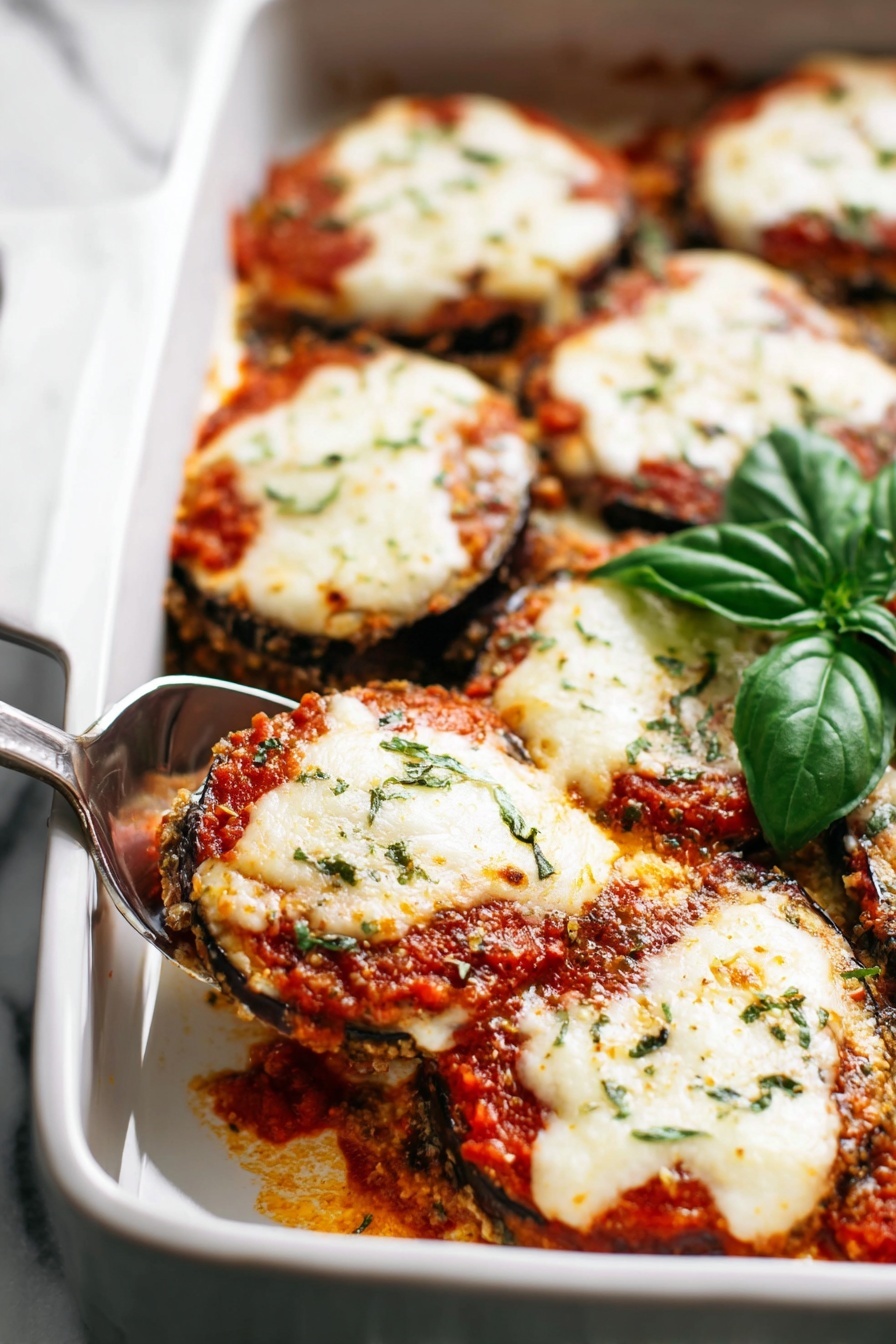
Easy Eggplant Parmesan: Crispy Perfection with One Secret Step
There are few dishes as comforting and universally loved as a perfectly made Eggplant Parmesan. This Italian-American classic transforms the humble eggplant into a rich, layered casserole brimming with savory marinara, gooey melted mozzarella, and fragrant Parmesan cheese. But what truly sets an exceptional Eggplant Parmesan apart is that coveted crispy texture – the golden crunch that gives way to a tender, flavorful interior. For many, achieving this crispiness seems like a culinary mystery, but we're here to reveal the ultimate secret step that ensures your homemade Eggplant Parmesan reaches unparalleled levels of deliciousness. Get ready to learn precisely how to make eggplant parmesan that will have everyone asking for your recipe!
Eggplant, often called aubergine, might seem like an exotic ingredient to some, but it's a versatile member of the nightshade family, related to common staples like tomatoes and potatoes. While not always a daily feature in every kitchen, when prepared with care, it truly shines. This recipe isn't just about cooking; it's about mastering techniques that elevate simple ingredients into an extraordinary culinary experience. Whether you're an eggplant aficionado or a curious newcomer, this guide will arm you with the knowledge to create a dish that's crispy, cheesy, and utterly satisfying.
Unlocking Crispy Perfection: The Essential Eggplant Prep
The foundation of any spectacular Eggplant Parmesan begins with the star ingredient itself: the eggplant. Selecting the right eggplant is crucial. Look for medium-sized eggplants with a glossy, firm skin and no soft spots or blemishes. Smaller to medium eggplants tend to have fewer seeds and a sweeter, less bitter flesh. Once you have your perfect eggplants, the magic begins with our secret step:
The Secret Step: Salting and Sweating Your Eggplant
This is arguably the most critical technique for achieving that coveted crispy texture and ensuring a sublime flavor profile. Many recipes skip this, but it's the difference between good and truly great Eggplant Parmesan. Here’s why and how:
- Slice Generously: Slice your eggplant into 1/4 to 1/2-inch thick rounds. Consistency is key here for even cooking.
- The Salt Bath: Arrange the slices in a single layer on baking sheets lined with paper towels or a clean kitchen towel. Generously sprinkle coarse salt over each side. Coarse salt is preferred as it draws out moisture more effectively without overly salting the eggplant itself.
- Let it Sweat: Allow the eggplant to sit for at least 30 minutes, or up to an hour. You'll observe beads of moisture forming on the surface of the eggplant slices. This process is called "sweating."
- The "Why": Salting serves two primary purposes. First, it draws out excess moisture from the eggplant, which is paramount for crispiness. Less moisture means less soggy eggplant and more golden, firm slices after cooking. Second, it helps to extract any potential bitterness that larger or older eggplants might possess, leaving you with a sweeter, milder flavor.
- Pat Dry Thoroughly: After the sweating period, use fresh paper towels to blot both sides of each eggplant slice. Press firmly to remove as much moisture as possible. This step cannot be rushed or overlooked. The drier the eggplant, the crispier your final result will be.
This simple yet profound step is what guarantees your eggplant will brown beautifully and hold its integrity within the layered casserole, rather than becoming watery and soft. It’s the cornerstone of achieving that much-desired textural contrast.
Crafting Your Layers of Flavor: Beyond the Basics
Once your eggplant is prepped, we move onto building the intricate layers of flavor that define this iconic dish. Each component plays a vital role in creating a harmonious and delicious experience.
The Breading Station and Cooking Methods
The breading is another crucial element for crunch and flavor. While store-bought breadcrumbs are convenient, homemade breadcrumbs make a dramatic difference. They offer superior texture and flavor. Consider using day-old sourdough, Italian bread, or even gluten-free bread, pulsed in a food processor until finely ground. Season your breadcrumbs generously with Italian herbs, garlic powder, onion powder, salt, and black pepper.
Set up a classic three-dish breading station:
- All-purpose flour (seasoned lightly with salt and pepper)
- Whisked eggs (with a splash of milk or water)
- Seasoned homemade breadcrumbs
Dredge each eggplant slice first in flour, shaking off excess, then dip into the egg wash, allowing excess to drip off, and finally coat thoroughly in the breadcrumbs, pressing gently to ensure adherence.
Now, for cooking the breaded eggplant. You have two excellent options:
- Pan-Frying for Maximum Crispness: Heat about 1/2 inch of neutral oil (like canola or vegetable oil) in a large skillet over medium-high heat. Fry the breaded eggplant slices in batches until golden brown and crispy on both sides, typically 2-3 minutes per side. Drain on a wire rack set over paper towels. This method yields the most satisfyingly crispy exterior.
- Baking for a Lighter Option: For a lighter take, arrange breaded eggplant slices on a baking sheet lined with parchment paper, mist lightly with cooking spray or brush with olive oil, and bake at 400°F (200°C) until golden and tender, flipping halfway through. For a deeper dive into the pros and cons and specific techniques for each, check out our guide on Baked or Fried Eggplant Parm: The Ultimate Guide to Perfect Texture.
The Cheese Factor: Quality Makes a Difference
No Eggplant Parmesan is complete without a generous amount of cheese. The choice of cheese significantly impacts the final flavor and texture:
- Mozzarella: Opt for fresh, whole-milk mozzarella packed in water. This melts beautifully, offering that desirable gooey stretch. Avoid pre-shredded mozzarella, which often contains anti-caking agents that hinder its melting quality and can leave a slightly powdery texture. Slice or tear your fresh mozzarella into manageable pieces.
- Parmigiano Reggiano: This is where true depth of flavor comes in. Invest in a wedge of authentic, aged Parmigiano Reggiano and grate it yourself. Its salty, nutty, and umami notes are indispensable and elevate the entire dish, providing a sharp contrast to the mild mozzarella.
The Marinara: The Heart of the Dish
A rich, flavorful marinara sauce is the binding agent that brings all the components together. You can use your favorite homemade recipe or a high-quality store-bought option. Look for sauces with a robust tomato flavor, good seasoning, and no added sugar for the best results. A good marinara should be slightly thick to prevent the casserole from becoming watery.
Assembling Your Masterpiece: Layers of Love
Now comes the fun part: layering all your beautifully prepared components into a harmonious casserole. This is where your Eggplant Parmesan truly comes to life.
- Prepare Your Dish: Lightly grease a 9x13-inch baking dish. Spoon a thin layer of marinara sauce across the bottom to prevent sticking and add flavor to the base.
- First Eggplant Layer: Arrange a single layer of your cooked eggplant slices over the sauce, overlapping slightly if necessary.
- Cheese and Sauce: Generously spoon more marinara over the eggplant. Then, sprinkle a healthy amount of grated Parmigiano Reggiano, followed by slices or pieces of fresh mozzarella.
- Repeat: Continue layering in this sequence – eggplant, marinara, Parmigiano Reggiano, mozzarella – until all your ingredients are used, ending with a final generous layer of sauce and cheese on top. Ensure the top is well-covered with mozzarella for that irresistible golden, bubbly crust.
- Bake to Perfection: Cover the baking dish loosely with aluminum foil and bake in a preheated oven at 375°F (190°C) for 20-25 minutes. Then, remove the foil and continue baking for another 15-20 minutes, or until the cheese is melted, bubbly, and beautifully golden brown.
- Rest Before Serving: This step is often overlooked but crucial. Let your Eggplant Parmesan rest for at least 15-20 minutes after taking it out of the oven. This allows the layers to set and the cheese to firm up slightly, making for cleaner slices and preventing the dish from falling apart.
Expert Tips for Eggplant Parmesan Success
- Don't Overcrowd the Pan: When frying eggplant, cook in batches to avoid lowering the oil temperature too much, which can lead to soggy, greasy slices.
- Season Every Layer: From the breading to the marinara, taste and adjust seasoning. A little salt and pepper at each stage build complex flavor.
- Prep Ahead: You can slice and salt the eggplant a few hours in advance, even overnight. You can also bread and pre-cook the eggplant a day ahead. The assembled casserole can be refrigerated for up to 24 hours before baking, or even frozen unbaked for a convenient meal later.
- Fresh Herbs for Brightness: A sprinkle of fresh basil or parsley just before serving adds a wonderful aromatic lift and a pop of color that truly elevates the dish.
- Serving Suggestions: Serve your Easy Eggplant Parmesan with a simple green salad dressed with a vinaigrette and some crusty Italian bread to soak up all that delicious sauce.
- Win Over Picky Eaters: As my nephew, who usually shies away from vegetables, discovered, the crispy exterior, savory sauce, and melted cheese often make this dish an unexpected hit even with those who claim not to like eggplant. It's a testament to the transformative power of this recipe!
Mastering how to make eggplant parmesan is a rewarding culinary journey. From the initial secret step of salting and sweating your eggplant to choosing quality ingredients and layering them with care, each stage contributes to the final masterpiece. The result is a dish that offers a symphony of textures and flavors: crispy breaded eggplant, rich tomato sauce, and a luxurious blend of cheeses. This recipe isn't just about a meal; it's about creating an experience that brings comfort and joy to your table. So, roll up your sleeves, embrace the process, and prepare to delight in a homemade Eggplant Parmesan that truly stands out from the rest. Enjoy!
