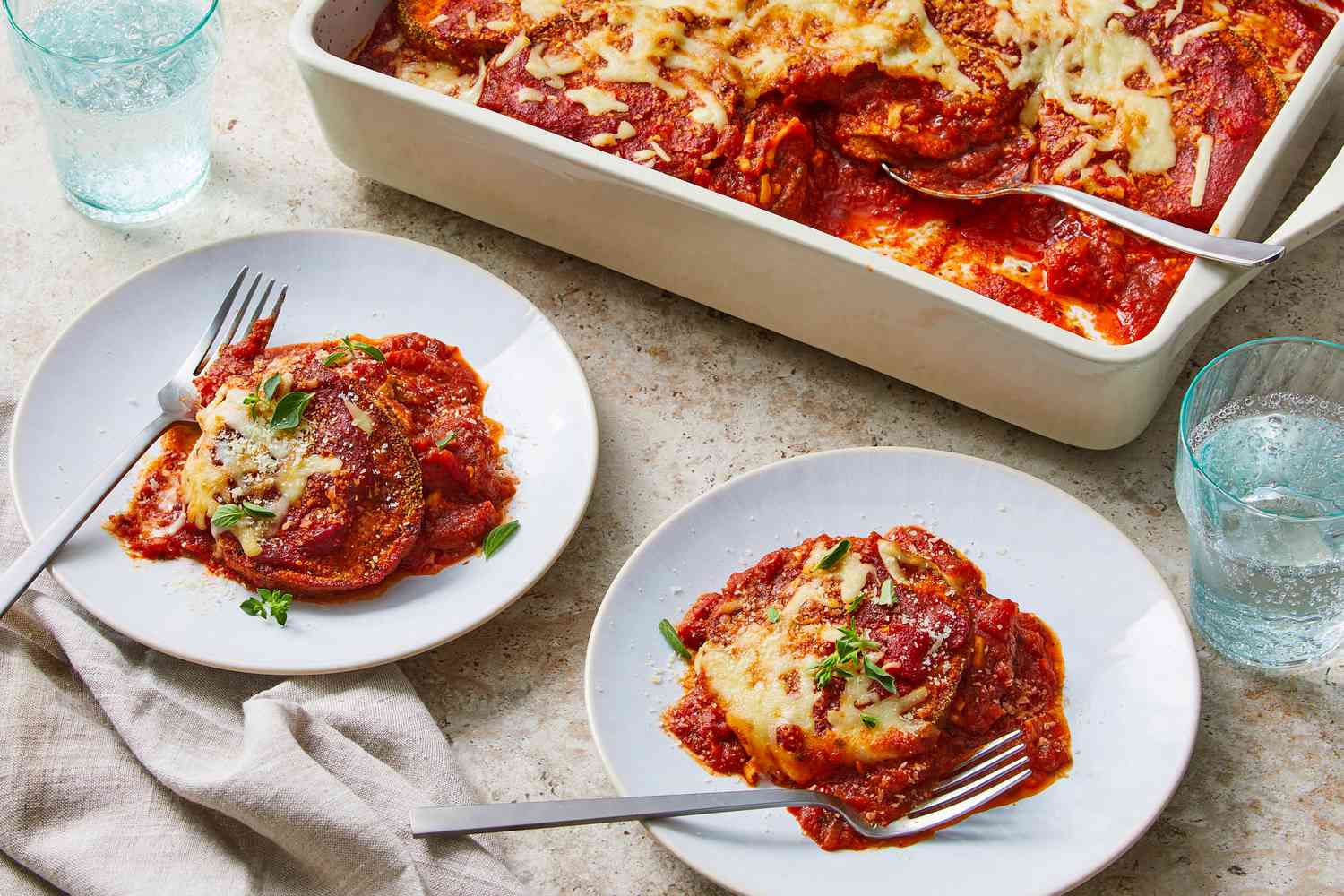
Baked or Fried Eggplant Parm: The Ultimate Guide to Perfect Texture
Eggplant Parmesan, a timeless Italian-American classic, is more than just a dish; it's a comforting symphony of tender eggplant, rich marinara, and gooey melted cheese. While the core ingredients remain consistent, the path to how to make eggplant parmesan with that elusive perfect texture often comes down to one crucial decision: to bake or to fry. Each method offers a distinct culinary experience, influencing everything from the crispness of the coating to the richness of the overall flavor profile. This comprehensive guide will walk you through the essential steps, vital ingredient choices, and the nuanced techniques required to achieve your ideal Eggplant Parm, whether you prefer it golden-fried or beautifully baked.
Often considered an exotic vegetable, eggplant (or aubergine) actually belongs to the humble nightshade family, sharing kinship with familiar produce like tomatoes and potatoes. Don't let its less frequent appearance in your kitchen fool you; when prepared correctly, it transforms into something truly extraordinary. For both seasoned cooks and curious beginners, mastering this dish promises a delightful reward, turning the simple eggplant into a hearty, satisfying vegetarian main course that consistently earns rave reviews.
The Foundation of Flavor: Preparing Your Eggplant for Perfection
The journey to an incredible Eggplant Parmesan begins with the star ingredient itself: the eggplant. Selecting the right one and preparing it properly are non-negotiable steps that dictate the final taste and texture of your dish.
- Selecting Your Eggplant: Look for eggplants with glossy, firm skin that feels smooth to the touch, free from any soft spots, blemishes, or signs of bruising. Medium-sized eggplants (roughly the size of a standard American football) are often preferred as they tend to have fewer seeds, which can contribute to bitterness, and offer a sweeter, more tender flesh.
- The Crucial Salting Step: This technique is the cornerstone of great eggplant preparation. Begin by slicing your eggplant into uniform rounds, about 1/4 to 1/2 inch thick. Thinner slices cook faster and become crispier, while thicker slices offer a more substantial, "meaty" bite. Generously sprinkle both sides of each slice with coarse salt (kosher salt works wonderfully) and arrange them in a single layer on a cooling rack set over a baking sheet. Allow them to "sweat" for at least 30 minutes, or even up to an hour. This process draws out excess moisture and, more importantly, helps to mitigate any potential bitterness.
- Thoroughly Pat Dry: After salting, you'll notice beads of moisture on the eggplant slices. This is exactly what you want! Using paper towels, firmly blot both sides of each slice until they are as dry as possible. This isn't just about removing the salt; it's about eliminating the water that would otherwise make your eggplant soggy during cooking and prevent it from achieving that desirable crispy texture. This step is non-negotiable for superior results, regardless of whether you choose to bake or fry.
Beyond the Eggplant: Elevating Your Dish with Quality Ingredients
While the eggplant is the star, the supporting cast of ingredients plays an equally critical role in crafting an unforgettable Eggplant Parmesan. Investing in quality here truly pays off.
- Homemade Breadcrumbs: The Unsung Hero: While convenient, pre-packaged breadcrumbs simply can't compare to the flavor and texture of homemade. Making your own from quality day-old bread, such as sourdough or crusty Italian loaf, dramatically elevates the dish. Simply tear the bread into pieces, pulse them in a food processor until you have a coarse crumb, then season with Italian herbs, garlic powder, salt, and pepper. Homemade crumbs absorb less oil, provide a superior crunch, and infuse the dish with a depth of flavor that store-bought versions lack. For more tips on achieving that perfect crunch, check out Easy Eggplant Parmesan: Crispy Perfection with One Secret Step.
- The Cheese Factor: Parmigiano Reggiano & Fresh Mozzarella:
- Parmigiano Reggiano: This is not the time to skimp. Real, aged Parmigiano Reggiano, grated fresh from the wedge, provides an unparalleled depth of nutty, salty, umami flavor that forms the backbone of the cheese layering. Its robust character stands up beautifully to the rich marinara and eggplant.
- Fresh Mozzarella: Opt for soft balls of fresh mozzarella packed in water, rather than the pre-shredded varieties. Pre-shredded cheeses often contain anti-caking agents that can give them a gummy texture and prevent them from melting as smoothly and lusciously as fresh mozzarella. Fresh mozzarella melts into pools of creamy, stringy perfection, adding a wonderful counterpoint to the sharper Parmigiano. To truly elevate your dish with authentic flavors, read Make Crowd-Pleasing Eggplant Parm with Authentic Ingredients.
- Marinara Sauce: A high-quality marinara sauce, whether homemade or a premium store-bought brand, is essential. It should be rich, balanced, and flavorful, providing the perfect moisture and tangy counterpoint to the eggplant and cheese.
Baked vs. Fried: The Ultimate Texture Showdown
This is where the rubber meets the road. Both baked and fried methods yield delicious Eggplant Parmesan, but they offer distinct textural experiences and cater to different preferences.
The Crispy Indulgence: Pan-Frying Your Eggplant
The traditional method for Eggplant Parmesan often involves pan-frying, and for good reason. This technique delivers an unmistakably golden, deeply crispy exterior that many consider the hallmark of the dish.
- The Breading Station: Set up a classic three-dish breading station:
- All-purpose flour, seasoned with salt and pepper.
- Beaten eggs, perhaps with a splash of milk or water.
- Your homemade seasoned breadcrumbs.
- The Frying Technique: Heat about 1/2 to 1 inch of neutral oil (like canola, vegetable, or grapeseed) in a large, heavy-bottomed skillet over medium-high heat. The oil is ready when a sprinkle of breadcrumbs sizzles immediately. Fry the breaded eggplant slices in batches, being careful not to overcrowd the pan, which would lower the oil temperature and lead to greasy eggplant. Fry for 2-4 minutes per side, until golden brown and crispy.
- Draining: As each batch finishes, transfer the fried eggplant to a plate lined with paper towels to drain excess oil. This is crucial for maintaining crispness and preventing a heavy, greasy final dish.
- Pros: Unmatched crispiness, richer flavor due to the oil, truly traditional texture.
- Cons: Requires more active cooking, uses more oil, can be heavier.
The Lighter Choice: Baking for a Tender Texture
For those seeking a lighter alternative without sacrificing flavor, baking the eggplant slices is an excellent option. While it might not achieve the same deep-fried crunch, it still delivers a wonderfully tender, satisfying texture.
- The Breading Process: Follow the same three-step breading process as for frying: flour, egg, then breadcrumbs.
- Pre-Baking for Best Results: Arrange the breaded eggplant slices in a single layer on baking sheets. For a bit more crispness, you can lightly mist or brush each side with olive oil spray or a small amount of olive oil. Bake in a preheated oven (around 400°F / 200°C) for 15-20 minutes, flipping halfway through, until they are golden brown and slightly tender. This pre-baking step is vital to cook the eggplant through and develop some texture before the final casserole bake.
- Pros: Healthier, less hands-on cooking, still delicious and comforting.
- Cons: Less intense crispiness compared to fried, can be prone to sogginess if the eggplant isn't properly salted and dried or pre-baked sufficiently.
Assembling Your Masterpiece: Layering for Ultimate Flavor
Once your eggplant is perfectly prepared (whether fried or baked), the final stage of assembly brings all the elements together into that glorious, bubbling casserole.
- The First Layer: Spread a thin layer of marinara sauce on the bottom of a large baking dish (9x13 inch is typical).
- Eggplant and Cheese: Arrange a single layer of your cooked eggplant slices over the sauce, slightly overlapping if necessary. Top with a generous sprinkle of grated Parmigiano Reggiano, followed by slices or dollops of fresh mozzarella.
- Repeat: Continue layering sauce, eggplant, Parmigiano, and mozzarella until you've used all your ingredients, usually forming 2-3 layers. Ensure the top layer is generously covered with sauce and plenty of both cheeses.
- Baking the Casserole: Cover the baking dish loosely with foil and bake in a preheated oven (around 375°F / 190°C) for 20-25 minutes. Then, remove the foil and bake for another 15-20 minutes, or until the cheese is bubbling, melted, and golden brown, and the sauce is hot throughout.
- Rest Before Serving: This is a crucial, often overlooked step! Once out of the oven, allow the Eggplant Parmesan to rest for at least 10-15 minutes. This allows the layers to set, making for cleaner slices and preventing the dish from falling apart. Garnish with fresh basil or parsley before serving.
Conclusion
Whether you lean towards the traditional, deeply crispy indulgence of fried eggplant or prefer the lighter, tender satisfaction of its baked counterpart, mastering how to make eggplant parmesan is a deeply rewarding culinary endeavor. The keys to success lie in careful eggplant preparation, a commitment to quality ingredients, and understanding the nuances of your chosen cooking method. Each bite, a perfect blend of savory sauce, creamy cheese, and tender-yet-textured eggplant, is a testament to the care and attention poured into this beloved dish. So, roll up your sleeves, pick your path, and prepare to bring a truly extraordinary Eggplant Parmesan to your table.
